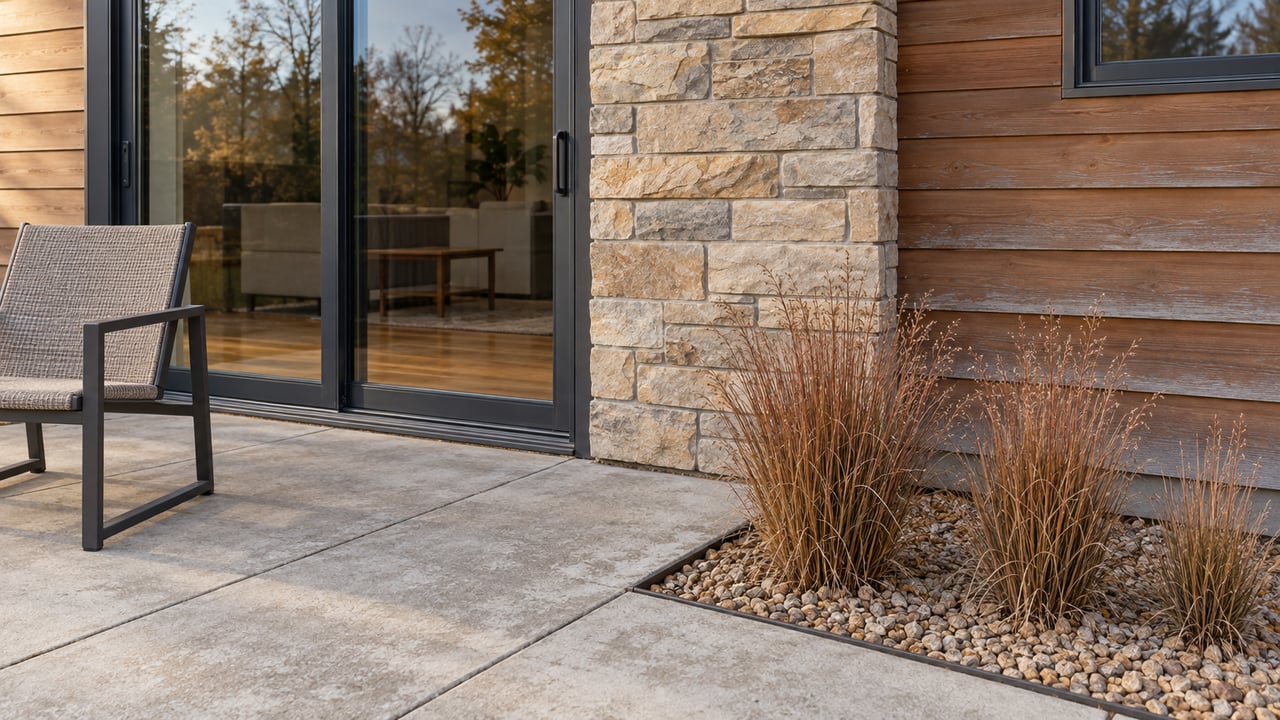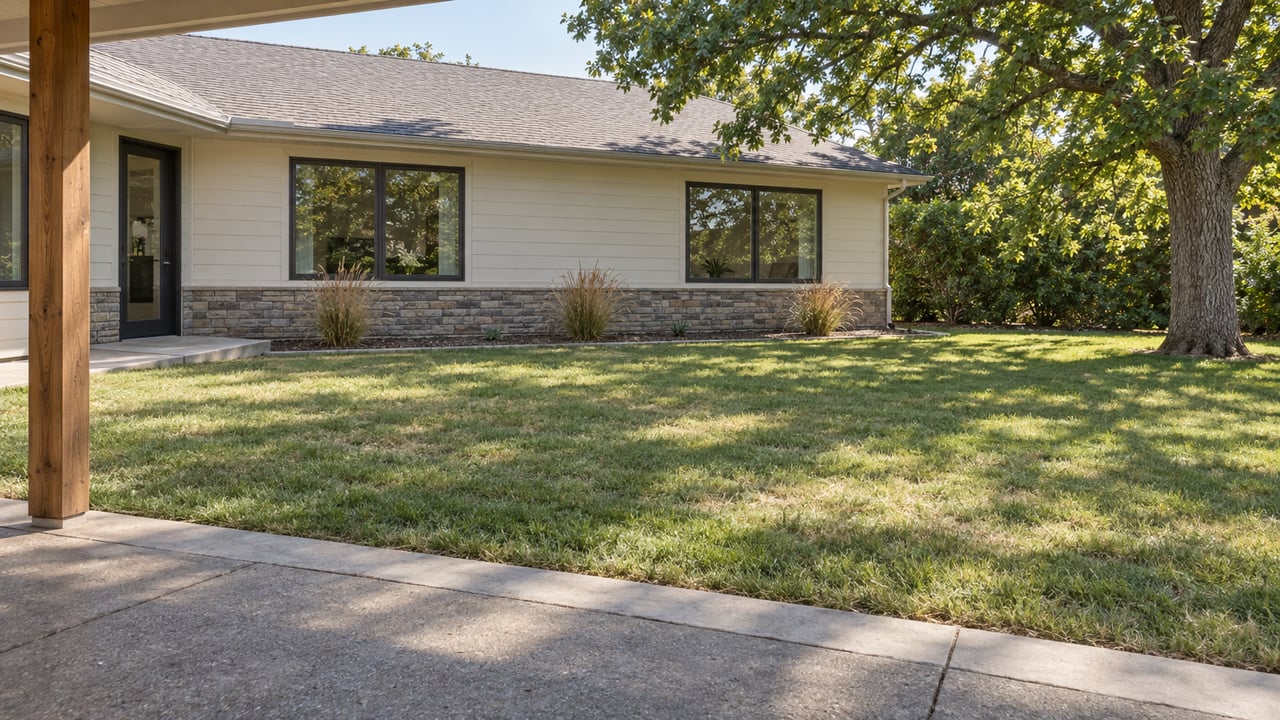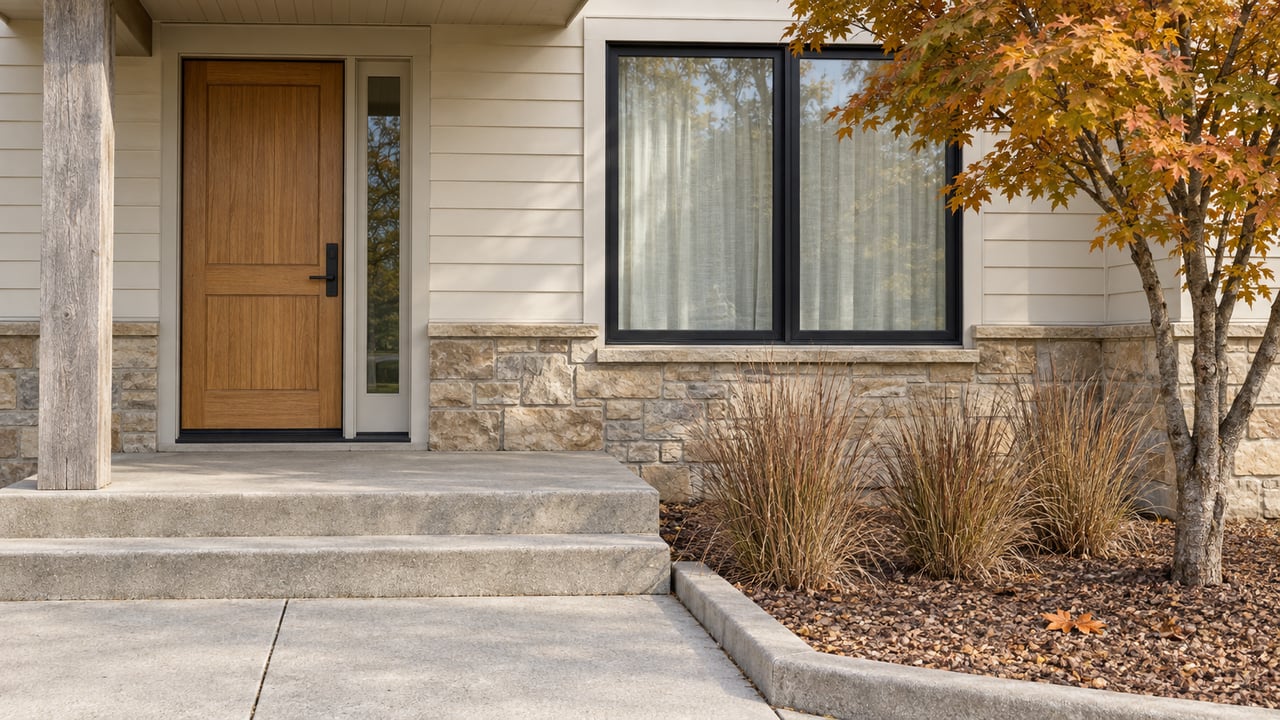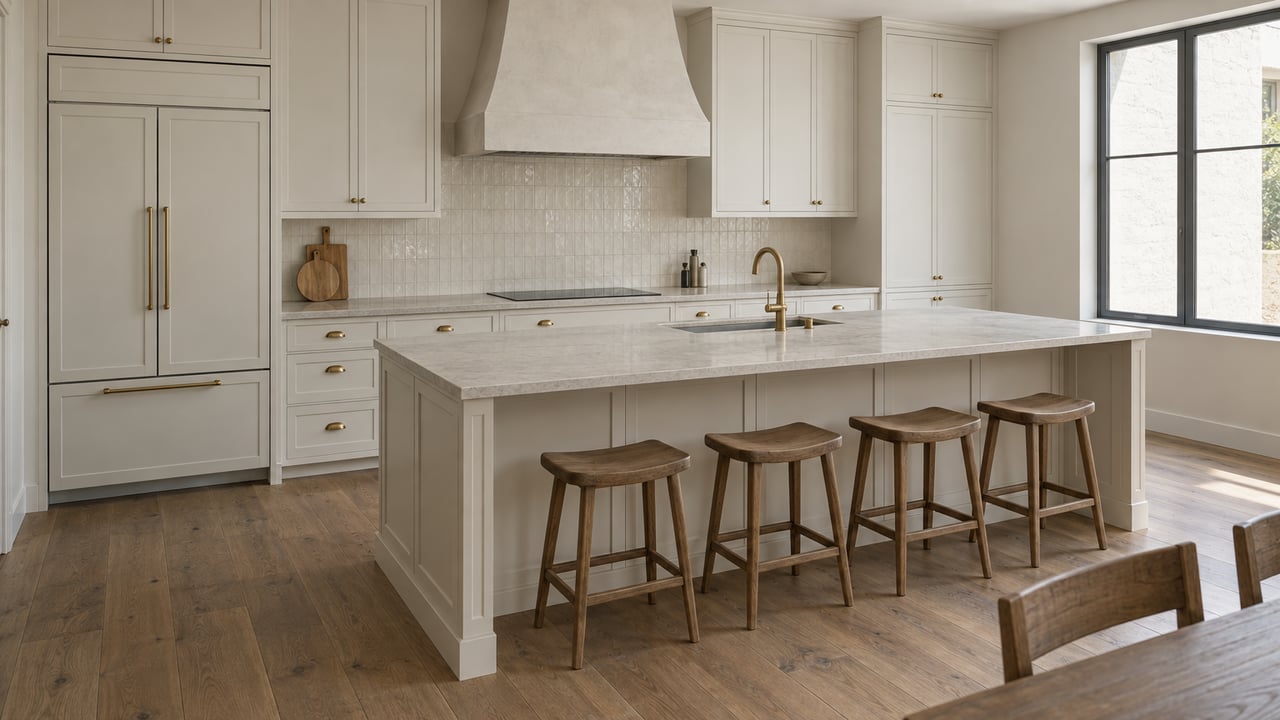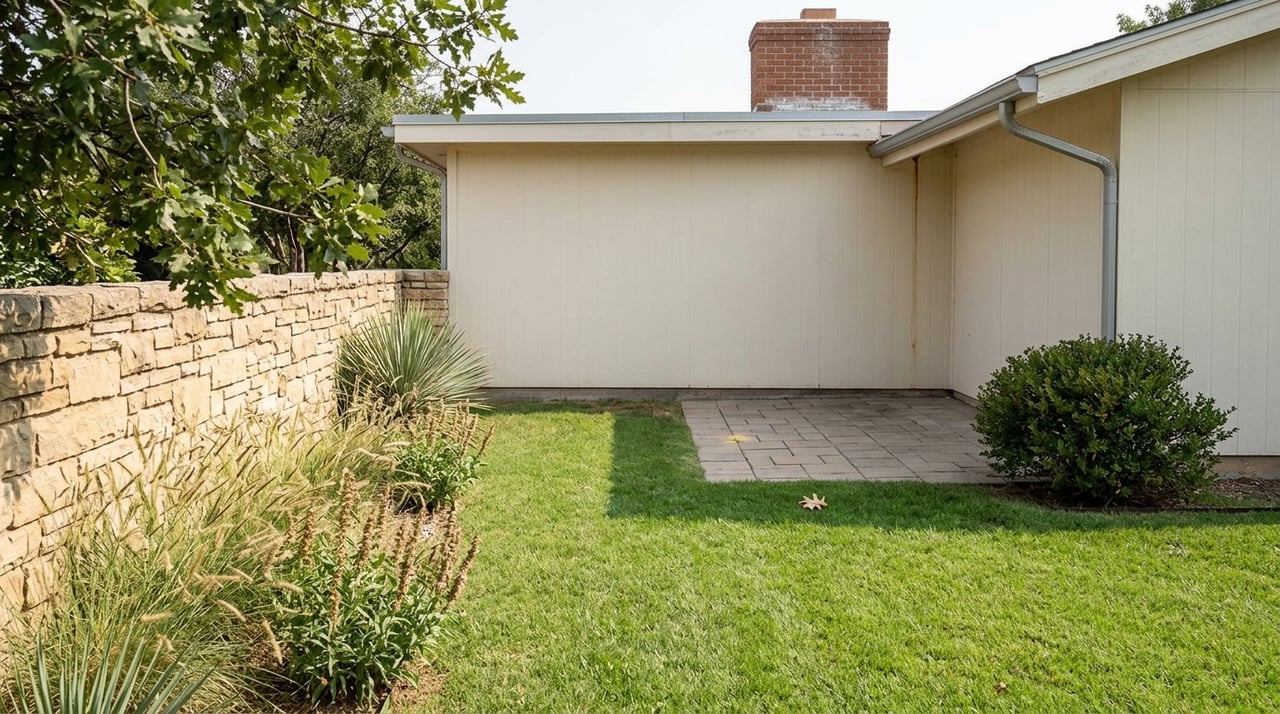
A buyer tours a ranch in Alta Vista on a Saturday afternoon. The kitchen has quartz counters and a fresh subway tile backsplash. The floors are refinished oak. The listing photos looked flawless online, and in person the house looks even better. An offer goes in that night.
Ten days later, the inspection report lands, and it reads like a different house. The electrical panel still runs aluminum branch wiring from the original 1970s build. The sewer scope shows a clay lateral with root intrusion near the property line. Nothing about the kitchen predicted either finding, because nothing about the kitchen was supposed to.
This is not a story about a bad flip or a careless seller. It is close to the default pattern in Arvada's older housing stock, and once you see why it happens, you stop being surprised by it and start planning around it.
Why the Remodel Always Comes First
Arvada's housing is genuinely old by Front Range standards. The median construction year across the city sits around 1979, and a large share of that stock was built during the two decades on either side, when postwar ranch construction filled in neighborhoods like Allendale and ranch and split-level homes went up across what's now Lamar Heights and Alta Vista. A home inspection company working across Arvada describes what it finds in these areas plainly: updated interiors paired with original plumbing, electrical, or sewer systems, with roofing, HVAC, and exterior components replaced at different times while the bones underneath stay untouched. Inspectors have a term for this. They call it evaluating "layered systems."
The layering isn't random. A remodeled kitchen shows up in listing photos, moves the appraisal, and closes the sale faster. A rewired panel or a relined sewer lateral does none of that. It sits behind drywall where no buyer will ever see it unless something goes wrong or an inspector goes looking. Money follows what's visible, and in a market where Arvada homes have been selling with a median 12 days on market and around two offers per listing over the three months ending in May 2026, sellers have every reason to spend on the rooms buyers actually photograph.
That incentive is not a flaw in any one seller's judgment. It is just how renovation dollars get allocated when the visible and invisible parts of a house age on separate timelines. The practical result is that a beautifully updated Arvada home tells you almost nothing about what's behind the walls, and the systems most likely to be original are the ones least likely to show up in a walkthrough.
The Wiring Nobody Repainted
Aluminum branch wiring became common in homes built in the late 1960s and into the 1970s, when copper prices spiked and builders switched materials. Arvada's ranch-heavy construction wave lands squarely in that window. A contractor with 27 years of Denver-metro rewiring experience serving Arvada points to 1970s ranch homes specifically as the properties where aluminum branch wiring turns up most often.
The wiring itself isn't automatically dangerous, but it behaves differently than copper. It expands and contracts more under load, which loosens connections at outlets, switches, and panel terminations over time. That is the reason it matters for a transaction and not just a maintenance list. Some insurers decline to write or renew policies on homes with significant aluminum branch wiring or known problem panel brands, which means a buyer who assumes an insurance quote will be routine can run into a delay that has nothing to do with price or condition otherwise. If you're touring a home built before 1980 in Arvada, it's worth asking early whether the panel has been evaluated, not waiting for the inspection period to raise it as a late surprise that has to be renegotiated under deadline pressure.
The Pipe Under the New Patio
Sewer laterals follow the same pattern, and the geography is specific enough to name. Local plumbing contractors working in Arvada describe homes built before the mid-1980s in Olde Town, Allendale, and Alta Vista as typically plumbed with clay tile or orangeburg pipe, a tar-fiber composite that softens and collapses with age. When crews scope lines in Club Crest, Lamar Heights, or Ralston Valley, they report that structural damage is the norm on lines that have never been inspected, not the exception. Arvada's expansive clay soil doesn't help. It shifts with seasonal moisture and stresses pipe joints over decades, which is exactly the mechanism that cracks clay laterals and lets tree roots in.
The cost spread here is wide enough to matter in a negotiation. As of early 2026, trenchless repair methods, cured-in-place lining or pipe bursting, typically run $3,000 to $5,000 for straightforward jobs in Arvada, while full excavation replacement can run $5,000 to $10,000 or more once driveway or landscaping restoration is factored in. Broader Denver-area sewer repair estimates from the same period put the fuller range at $3,500 to $15,000 depending on damage severity, pipe depth, and whether the line runs under a driveway. A camera scope before you write an offer, or before you list, is the only way to know which end of that range you're actually facing.
The city itself is not exempt from this timeline. Arvada's own utilities department has scheduled sewer line replacement work for 2026 at W. 78th Place and Reed Street, W. 56th Avenue and Marshall Street, and W. 62nd Avenue and Webster Street, replacing aging municipal lines to keep pace with the same infrastructure age curve that runs through private laterals across the city.
The Disclosure You Can't Renovate Away
Radon doesn't respond to a kitchen remodel at all, and Colorado law treats it as a required conversation rather than an optional one. According to the Colorado Division of Real Estate, every residential sales contract in the state must contain a bold-faced statement that radon is "a Class A human carcinogen" and the leading cause of lung cancer in nonsmokers. Under Colorado Senate Bill 23-206, sellers are required to disclose any known radon test results, concentrations, and mitigation history, and to provide the state health department's radon brochure to buyers.
The Front Range sits in a high-radon zone, and homes with basements or below-grade living space, which describes a large share of Arvada's ranch and split-level stock, are the ones most likely to test elevated. A finished basement that looks move-in ready on a walkthrough carries the same radon exposure as an unfinished one if the gas hasn't been tested.
Homes built before 1978 carry one more disclosure obligation worth knowing if you're looking at property in Olde Town, the Stocke-Walter district, or Reno Park, where some of Arvada's oldest housing sits. The Colorado Division of Real Estate's lead-based paint disclosure form states that federal law requires sellers of pre-1978 homes to disclose known lead-based paint hazards and give buyers a ten-day window to conduct a risk assessment before they're obligated to close.
How to Get Ahead of It
For sellers, the sequence that protects your timeline looks different from the sequence that protects your curb appeal:
- Order a radon test and a sewer scope before you list, not after an offer comes in. Both are quick, both are cheap relative to what they can reveal, and both let you set a price that already reflects what an inspector will find rather than one that has to be renegotiated after the fact.
- Ask an electrician to confirm your wiring type if your home was built between the late 1960s and late 1970s. Knowing the answer before a buyer's inspector does keeps you in control of the conversation.
- Keep any prior repair records, insurance claims, or mitigation reports on hand. Having those records ready can speed up delivery to the buyer.
For buyers, the discipline runs the other direction. A general home inspection in Arvada typically runs $500 to $800 or more depending on size and age, and a sewer scope or radon test is often an add-on rather than automatic. In a market moving in roughly 12 days with multiple offers common, it's tempting to skip the add-ons to compete on timeline. Given how Arvada's housing stock actually ages, that's the wrong place to cut. Ask for the scope. Ask about the panel. The kitchen already told you what the seller wanted you to see.
A Few Questions Before You Schedule the Inspection
Does a remodeled kitchen mean the electrical was updated too? Not necessarily, and often not at all. Kitchen and cosmetic remodels frequently touch only the outlets and fixtures within that room, leaving the original panel and branch wiring elsewhere in the house untouched.
Why consider a sewer scope when selling a home in Arvada? Given how often clay and orangeburg lines in the city's older neighborhoods show structural wear once inspected, skipping it just shifts the discovery, and the negotiating leverage, to the buyer's side of the table.
What happens if a radon test comes back elevated? Colorado law requires disclosure of any known test results. Many buyers request mitigation as a condition of closing once a result comes back at or above 4 picocuries per liter, since that's the level at which the state recommends a licensed radon professional get involved.
Arvada's older homes are not a risk to avoid. They're a known pattern, and the buyers and sellers who do best here are the ones who read the pattern before the inspection period does it for them. If you're weighing a purchase or a listing in Arvada and want a clear-eyed read on what a specific property's age actually means for your offer, North Metro Realty can walk the timeline with you before you're locked into one.
This article is general information, not legal, tax or financial advice. Consult a qualified professional about your situation.