Thinking about a move to Erie, Colorado? You might be picturing a small-town main street, mountain views, and easy access to Denver and Boulder. That picture is pretty close. In this guide, you’ll learn what daily life looks like, where people spend time, how commutes work, and what housing options you’ll actually find. Let’s dive in.
Location and local vibe
Erie sits on the Boulder–Weld county line, which puts you between major Front Range job centers. The town’s official profile highlights steady growth, strong parks and open space, and regional connections to Denver and Boulder that shape daily life for many residents. You’ll feel that split personality in a good way: Historic Downtown Erie on Briggs Street remains the social core with restaurants and small shops, while newer neighborhoods line the corridors toward I-25 and State Highway 7. For a taste of Old Town character, stroll Briggs during a market night and you’ll see why the area anchors community life.
Erie’s roots include homesteading and coal mining, and you can still spot that history in preserved buildings and local events. The Wise Homestead Museum and the Erie Historical Society help tell that story and explain why Old Town looks and feels distinct from newer subdivisions. That contrast is part of Erie’s charm: a traditional main street paired with modern, master-planned living.
- Learn more about Erie’s community profile and location from the town’s overview: Erie Community Profile
- Explore dining and shops in Historic Downtown Erie: Downtown Erie business directory
- History and the Wise Homestead Museum: Erie Historical Society
Daily life and commuting
Regional roads and drive times
Erie is primarily a commuter town, with many residents driving to work in nearby cities. Regional roads that shape routines include I-25, U.S. 287, and State Highway 7. Economic development materials frame Erie as roughly a half-hour drive to Denver and closer to Boulder in typical conditions, but actual times vary by time of day and route. For planning, think in ranges and check your route during the hours you’ll travel.
- Commuting patterns and resources: Town of Erie commuting page
- Regional proximity and airport access: Erie EDC proximity overview
Transit and biking options
Transit is available for some trips, but it’s not a full replacement for a car for most households. The town points to options like on-demand and microtransit services, regional resources, and select bus connections that can help with specific commutes. Biking works well for recreation and some routes when you connect to the regional trail system.
- For a key east–west corridor, see the Coal Creek Regional Trail which connects to local paths used by riders and walkers daily.
Shopping and services
For everyday errands, you’ll find coffee, dining, and local retailers on Briggs Street, plus commercial nodes near neighborhoods such as the Vista Ridge area. Larger retail and specialty shopping sit along nearby corridors and in adjacent towns. For hospitals and specialty care, many residents use nearby regional facilities in Longmont and other surrounding cities.
- What’s happening downtown now: Downtown Erie directory
Outdoor life and community
Trails, lakes, and neighborhood parks
If you value easy outdoor access, Erie delivers. The Coal Creek Regional Trail links into plenty of local connectors, so you can fit in a walk, run, or ride after work with minimal planning. Erie Lake, Thomas Reservoir, and pocket parks round out quick options for fishing, dog walks, and family time.
- Plan your next ride or jog: Coal Creek Regional Trail
Golf and social spots
Colorado National Golf Club is a prominent local amenity, and it often doubles as a social hub. Whether you golf or not, the setting gives you a snapshot of Erie’s suburban leisure mix and community events.
- Course details and events: Colorado National Golf Club
Events and traditions
Erie leans into community gatherings that make it easy to meet neighbors. Expect a seasonal downtown farmers market, live music, and heritage events like Erie Biscuit Day. The calendar also features airport-related events that nod to the town’s aviation streak.
- See the latest town events and highlights: Town of Erie newsletter update
Housing and neighborhoods
Old Town vs. newer communities
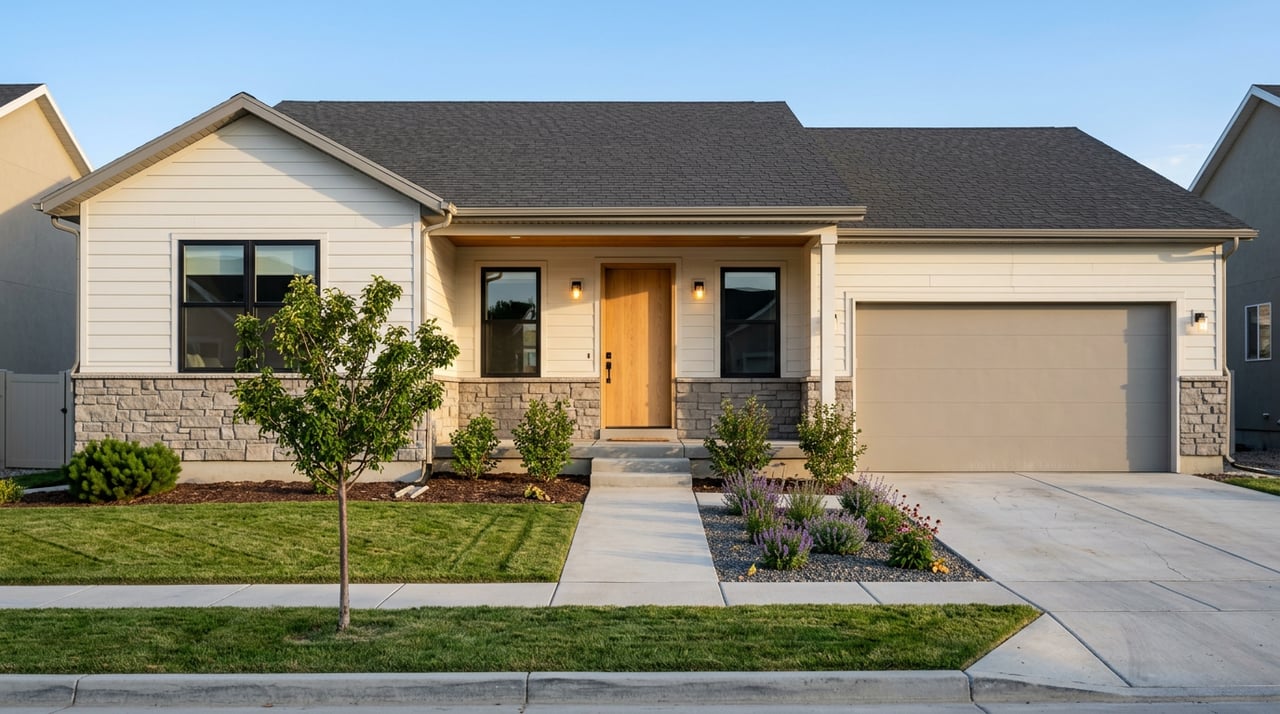
You’ll find a mix of historic charm and modern convenience. Around Briggs Street and Old Town, homes tend to be older and on smaller lots, with architecture that reflects early homestead and mining eras. Farther out, master-planned neighborhoods built from the 1990s to today offer trails, parks, and community amenities that appeal to many buyers.
Most shoppers compare tradeoffs instead of fixating on a single number: smaller vintage homes near downtown, larger single-family homes in several size tiers, attached housing like townhomes for lower maintenance, and some luxury infill. If you want a neighborhood pool, trail network, or a newer floor plan, you’ll find strong options in these planned communities.
A unique niche: Erie Airpark
Erie has an unusual housing option for the Front Range. Near the municipal airport, a small number of airpark properties offer hangars and taxiway access for aviation enthusiasts. Even if you’re not a pilot, the nearby airport adds a distinct flavor to local events and everyday life.
Schools and education
Most K–12 public schools that serve Erie are part of the St. Vrain Valley School District, including Erie High, Erie Middle, and several elementary or PK–8 options. Many families consider programs, boundaries, and enrollment details when choosing a neighborhood. If schools are part of your decision, check current district information and confirm boundaries for any specific address.
- District and school links via the town: Erie schools information
Is Erie a fit for you?
Erie often works well if you want a small-town main street with quick access to Boulder or the northern Denver metro. You’ll appreciate the trail network and parks if an evening ride or a quick jog is part of your daily rhythm. The town also suits buyers who prefer newer neighborhoods and amenities but still want a defined downtown. If your job sits in Denver, Boulder, or along I-25, Erie’s location helps balance commuting and lifestyle.
Next steps
Choosing the right Erie neighborhood comes down to your priorities: commute, school preferences, home style, and budget range. We can help you compare options, tour homes, and line up trusted lenders and inspectors so you feel confident from search through closing. If you’re ready to explore Erie, call or text Allison Cassieri to start your home search or get a data-backed pricing plan for your current home.
FAQs
How long is the commute from Erie to Denver or Boulder?
- Town and economic development materials frame Erie as roughly a half-hour to Denver and closer to Boulder in typical conditions; always check your route at your drive time.
What is downtown Erie like for dining and entertainment?
- Historic Briggs Street hosts restaurants, breweries, and small shops, plus seasonal markets and events that give it a lively, walkable feel.
Are there transit or biking options in Erie for work trips?
- Transit and microtransit help with some trips, and regional trails support biking, but most households still rely on a car for daily commuting.
What housing styles will I find in Erie?
- Choices range from older homes near downtown to larger single-family homes in master-planned neighborhoods, plus some townhomes and select luxury infill.
Which public school district serves most of Erie?
- Most area schools are part of the St. Vrain Valley School District; always confirm current boundaries and enrollment details for your address.
Is there a local airport or aviation housing in Erie?
- Yes, the Erie Municipal Airport sits near a small residential airpark area that caters to pilots and aviation enthusiasts.