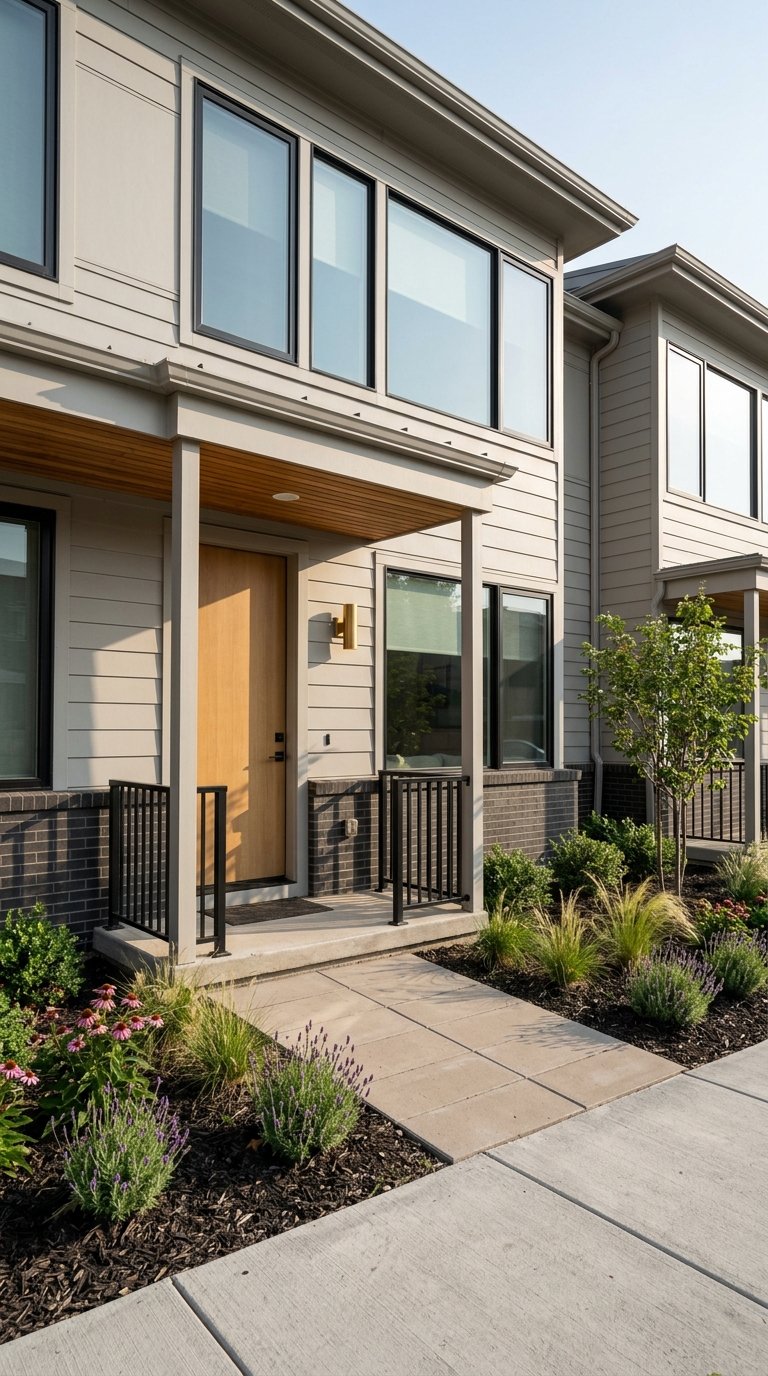
Are you drawn to the idea of lower-maintenance living without giving up access to trails, parks, shopping, and transit? If you are considering a condo or townhome in Broomfield, you are not alone. This guide will help you understand where attached housing tends to be located, what daily life can look like, and which ownership details deserve a closer look before you buy. Let’s dive in.
Why Broomfield Fits Condo And Townhome Buyers
Broomfield offers a wide mix of housing, and attached homes are an important part of that mix. In the 2020 to 2024 Census estimates, Broomfield County had 35,496 housing units, with 62.7% owner-occupied. That variety can be helpful if you want options that range from established communities to newer mixed-use areas.
The city-county has also planned for denser and mixed-use development in selected parts of the community. In practical terms, that means you will find condo and townhome opportunities in places designed to bring housing closer to shopping, recreation, trails, and transportation. For many buyers, that balance is a big part of the appeal.
Where Condos And Townhomes Cluster In Broomfield
Broomfield identifies four major developing places where higher-density housing is concentrating. These include Baseline and Center Street in northeast Broomfield, Broomfield Town Square in central Broomfield, FlatIron Crossing in west Broomfield, and the Broomfield Urban Transit Village in south-central Broomfield. If you want a starting point for your search, these areas are worth watching closely.
Some of these districts are already moving from plan to reality. At FlatIron Crossing, the HiFi area includes 345 multifamily units under construction along with planned dining, retail, entertainment, green space, and trail connections. That kind of setup can appeal to buyers who want a more connected, mixed-use environment.
Broomfield Town Square is also designed with attached housing in mind. The approved plan includes up to 471 apartment units and 12 townhomes, centered around a lake, trails, gathering areas, and a pedestrian-friendly layout. If your goal is convenience and a more walkable daily routine, this kind of development may stand out.
Baseline is another major growth area. At buildout, it is expected to include about 9,000 residential units, plus 170 acres of parks, trails, and native areas, along with a future community park. Buyers looking at new construction or long-term area growth may want to pay attention to how this district evolves.
Beyond the newer planning areas, Broomfield also has established condo and townhome communities. The city’s subdivision plat index lists examples such as Venue at Arista Condos, Westlake Townhomes, Village at Broadlands Condos, Vantage Pointe Lofts, and Broomfield Urban Transit Village Parcel P Condos. That gives you a mix of newer and more established attached-home options across the community.
What Daily Life Can Look Like
One of the biggest lifestyle advantages in Broomfield is access to the outdoors. The city reports 8,699 acres of open lands and 396 miles of trails, paths, and bike lanes. The planned Broomfield Trail is expected to span nearly 20 miles across the community.
That trail network matters for condo and townhome living because many attached-home buyers want convenience beyond the walls of the home itself. In Interlocken, the trail system already runs through the area. The Southwest Community Loop also connects original neighborhoods near the Broomfield Town Square area to newer neighborhoods and commercial areas.
Regional transportation is another strong point. Broomfield lists several transit options, including US 36 Bus Rapid Transit, fixed-route service on US 287 and 120th Avenue, FlexRide, Access-A-Ride, and Easy Ride. There are also Bike-N-Ride shelters at both Flatiron Station and Broomfield Station park-and-rides.
For recreation, Broomfield County Commons Park adds another layer of convenience. It includes a dog park, playground, picnic tables, a soccer field, 15 playing fields, and access to the Paul Derda Recreation Center and 237 acres of open space. If you want a home base near public amenities, that can be a meaningful quality-of-life factor.
Mixed-Use Areas Add Convenience
In some parts of Broomfield, the surrounding amenities are meant to be part of the housing experience. FlatIron Crossing’s redevelopment includes plans for an outdoor pavilion, amenity area, trail enhancements, and a public park. That kind of built-in convenience can be attractive if you want easy access to everyday activities.
Broomfield Town Square follows a similar idea. Its plan centers on a lake, trails, gathering areas, and a pedestrian-friendly setting. For buyers who want a home that supports a simpler routine with nearby destinations, these districts may offer a different feel than a more traditional subdivision.
Condo Vs Townhome: What To Think About
While condos and townhomes are often grouped together, your day-to-day ownership experience can be different. A condo may place more of the exterior maintenance responsibility with the association, while a townhome may offer a different layout, different shared-space arrangements, or different parking and storage setups. The exact details depend on the community’s governing documents and how the association is structured.
In Broomfield, many buyers are drawn to both property types for the same broad reasons. Lower exterior maintenance, access to trails and transit, and proximity to mixed-use districts can all be part of the appeal. That said, it helps to compare each community carefully instead of assuming all attached homes function the same way.
HOA Details Matter More Than Many Buyers Expect
If you are buying a condo or townhome in Colorado, the homeowners association deserves close attention. Colorado’s HOA Information and Resource Center, part of the Division of Real Estate, is the state resource for common-interest communities. Associations are governed by the Colorado Common Interest Ownership Act, and unit owners’ associations must register annually with the Division of Real Estate.
Budgeting is one of the first places to focus. According to the state, associations can generally raise dues as needed to meet budget requirements unless their governing documents limit increases. Reserve funds are intended for deferred and unexpected expenses, and associations must have a reserve-study policy, even though the study itself is not required.
Insurance is another major due-diligence item. Associations must maintain property insurance on common elements and commercial general liability insurance, and some larger communities may also need fidelity insurance. Before you buy, it is smart to ask how the master policy works, what the deductible is, and how claims or deductibles are allocated.
Governance rules can also shape your experience. Colorado requires annual membership meetings, owners have record-access rights subject to statute and governing documents, and boards may adopt rental and leasing restrictions. In plain terms, the rules can affect how you use the property and what flexibility you have over time.
Common Tradeoffs To Consider
Condo and townhome living can simplify some parts of homeownership, but it comes with tradeoffs. The monthly HOA fee is usually the most visible one, but it is not the only factor. You may also encounter special assessments, shared walls, and limits on parking, storage, pets, or exterior changes.
In growth areas, there is one more thing to keep in mind. Some Broomfield districts are actively developing or redeveloping, which can be exciting for long-term convenience but may also mean nearby construction activity for a period of time. That is not automatically a positive or negative, but it is worth factoring into your decision.
Smart Questions To Ask Before You Buy
The right questions can help you avoid surprises later. When you are comparing condo or townhome options in Broomfield, focus on both the home and the association behind it.
Here are some practical questions to ask:
- What does the HOA fee cover?
- How well funded are the reserves?
- Are any special assessments planned?
- What does the master insurance policy cover and exclude?
- Are there restrictions on rentals, pets, parking, storage, or short-term rentals?
- Is the project FHA-friendly, if that financing matters to you?
- Which school district serves the address?
That last question is especially important in Broomfield because residents are served by multiple school districts. If school boundaries matter to your move, verify the specific address early rather than relying on assumptions.
How To Narrow Down The Right Fit
If you are trying to decide where to focus, start with your daily routine. Do you want quicker access to trails, transit, or mixed-use destinations? Would you prefer an established community, or are you more interested in a newer district with ongoing development?
Next, weigh the numbers carefully. A lower purchase price does not always mean a lower overall monthly cost once HOA dues are included. On the other hand, dues may cover items that reduce your maintenance responsibilities, so it is important to look at the full picture.
Finally, review each community with patience. In our experience, the best attached-home decisions come from slowing down long enough to compare rules, budgets, insurance structure, location benefits, and long-term fit. That service-first approach is especially helpful when you want to feel informed instead of rushed.
If you are exploring condo and townhome living in Broomfield, having a local guide can make the process much clearer. Allison Cassieri and the North Metro Realty team can help you compare communities, evaluate the details, and move forward with confidence.
FAQs
What areas in Broomfield have condos and townhomes?
- Broomfield identifies Baseline and Center Street, Broomfield Town Square, FlatIron Crossing, and the Broomfield Urban Transit Village as major areas where higher-density housing is concentrating, and there are also established attached-home communities across the city-county.
What is the lifestyle like in Broomfield for condo and townhome owners?
- Many owners are drawn to Broomfield’s 8,699 acres of open lands, 396 miles of trails, access to parks and recreation, and transit options that include US 36 Bus Rapid Transit, local routes, and park-and-ride connections.
What should you ask about a Broomfield HOA before buying?
- You should ask what the HOA fee covers, how strong the reserves are, whether any special assessments are planned, what the master insurance policy covers, and whether there are restrictions on rentals, pets, parking, storage, or short-term rentals.
What should buyers know about condo insurance in Colorado?
- In Colorado, associations must maintain property insurance on common elements and commercial general liability insurance, so buyers should ask how the master policy works, what the deductible is, and how claims or deductibles are allocated.
Why does school district verification matter in Broomfield?
- Broomfield is served by multiple school districts, so buyers who care about school boundaries should verify the district for a specific address early in the process.
Can FHA financing affect a condo purchase in Broomfield?
- Yes, if you plan to use FHA financing, project approval should be verified early because FHA review looks at factors such as compliance, insurance coverage, financial condition, title, pending legal action, and property condition.