Are you dreaming about more space in Erie, but wondering whether a few extra acres will actually support the way you want to live? That is one of the biggest questions buyers face with hobby properties and acreage homes. In Erie, a property’s value is not just about how many acres you get. It is also about zoning, access, water, septic, and how usable the land really is. If you are thinking about buying acreage in Erie, this guide will help you focus on the details that matter most. Let’s dive in.
Why Erie Appeals to Acreage Buyers
Erie offers a mix that many buyers want: open space, agricultural edges, and easy access to growing suburban amenities. The Town of Erie maintains more than 1,500 acres of open space and about 285 acres of agricultural lands on designated open spaces, which helps preserve some of the area’s rural character.
That setting can be a great fit if you want privacy, room for hobbies, or a property with a more open feel. At the same time, nearby agricultural activity can come with dust, odor, smoke, and slow-moving vehicles, according to Weld County’s rural-agriculture guidance. For many buyers, that is part of the appeal. For others, it is something to think through before you commit.
Check Location and Jurisdiction First
One of the first things to confirm is whether the property is inside the Town of Erie or in unincorporated Weld County. That single detail can affect zoning, permits, access rules, and how future improvements are reviewed.
In Erie, parcels are governed by the Town’s zoning map and Unified Development Code. The Planning Division also notes that newly annexed property can default to Agricultural Holding if it is not initially zoned. Some subdivisions also have planned development or PUD guide documents, which means two acreage properties can have very different rules.
If the parcel is in unincorporated Weld County, you will be dealing with the County’s separate systems for building, zoning, access, and environmental health permits. That is why acreage buying in Erie often starts with maps, records, and paperwork long before it starts with dreaming about barns or workshops.
Review Zoning and Recorded Restrictions
A property may look wide open, but that does not automatically mean every hobby use is allowed. Zoning district, overlay rules, and recorded covenants can shape what you can do with the land.
This matters if you are hoping for horses, chickens, a large shop, storage for equipment, or other lifestyle features. Erie also treats some uses as special-review matters when a use has unique site-development requirements. That means a property that seems perfect at first glance may need much closer review before you know whether it fits your plans.
Weld County’s property-information and recorded-documents tools can help identify ownership, valuation, tax history, permit records, and possible access or restriction issues. Those records can reveal prior approvals, limitations, or unresolved questions that are easy to miss during a casual showing.
Questions to ask about land use
- Is the property inside Erie or in unincorporated Weld County?
- What zoning district or subdivision rules apply?
- Are there recorded covenants, plats, or easements?
- Are the uses you want clearly allowed, or do they need additional review?
- Is there permit history for past structures or site work?
Focus on Usable Land, Not Just Acre Count
With acreage properties, the total lot size does not always tell the full story. Some of the land may be affected by easements, setbacks, access routes, drainage patterns, or utility placement.
Erie states that no part of a structure may project into an easement. The Town also requires permits for items such as fences, garages, decks, patio covers, pools, and accessory structures over 200 square feet. In Weld County, regulated structures need building permits, and a new access point onto a County road requires an access permit.
That means the buildable envelope is a major part of the property’s value. A parcel may technically have enough acreage, but still offer fewer realistic options for a barn, shed, shop, corral, or parking area than you expected.
Why surveys and title review matter
A survey and title review can help confirm where improvements can actually go. They can also help you understand whether the existing layout works for your needs or whether a future project could run into trouble.
This is especially important if you plan to add improvements after closing. It is one thing to love the idea of a workshop or horse setup. It is another to know exactly where that improvement can legally and practically fit.
Evaluate Outbuildings Carefully
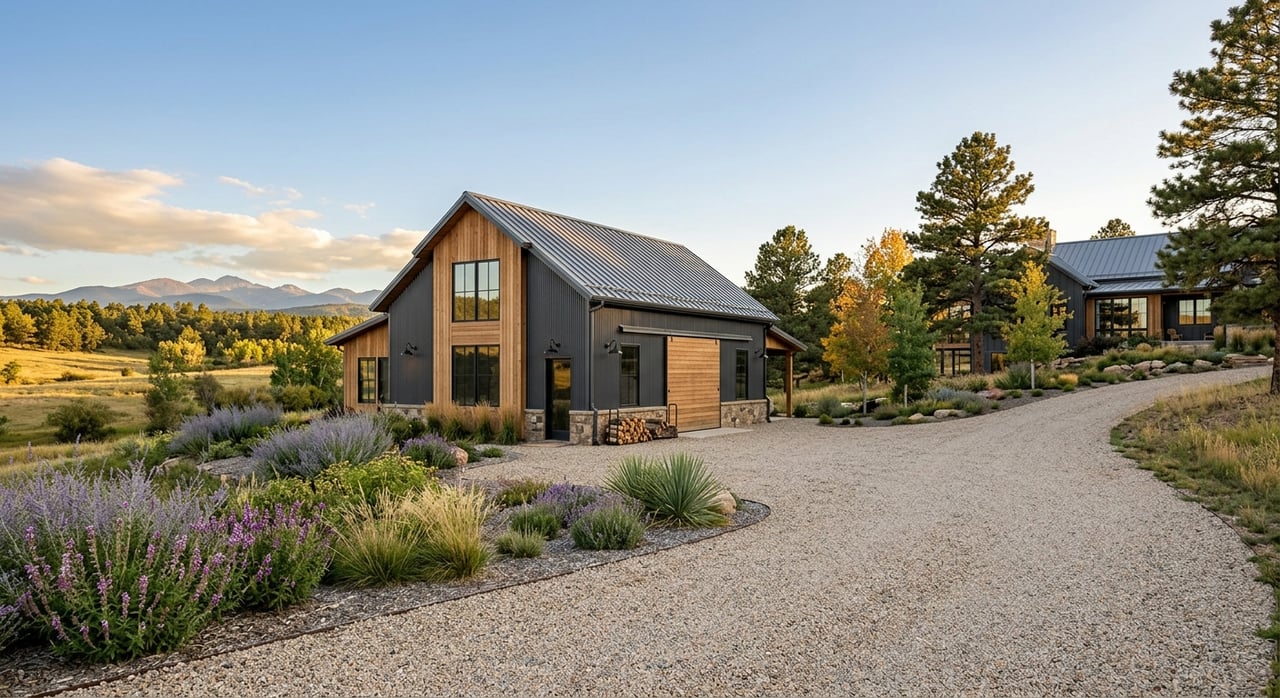
Outbuildings are often part of what makes acreage property appealing. A well-placed barn, shop, detached garage, or storage building can add a lot of day-to-day function.
But not every outbuilding adds the same value. Structures that are permitted, functional, and well sited tend to be easier for future buyers to understand and appreciate. Unpermitted or awkwardly placed structures can create extra due diligence, possible correction costs, or even removal issues.
In other words, do not assume an outbuilding is an automatic bonus just because it is there. A hobby property usually performs better when the improvements are documented and work with the site instead of against it.
Treat Water Supply as a Major Decision Point
Water is one of the most important due-diligence items for acreage property in Colorado. If the home uses a private well, the legal side matters just as much as the physical condition of the well.
Colorado private wells are not regulated under the Safe Drinking Water Act, and the Colorado Department of Public Health and Environment says individual well users are responsible for water quality testing and maintenance. The Colorado Division of Water Resources states that new wells diverting groundwater need a permit, and well permit files include construction records and allowable uses.
That last point is critical. If you want irrigation, domestic animals, or other land-related uses, you need to confirm that the well setup and permit support those uses. In many parts of Colorado, the Division of Water Resources warns that buyers may be unable to obtain a well permit for certain uses without an augmentation plan.
Water checklist for acreage buyers
- Ask for the well permit and well construction records.
- Request any recent water testing results.
- Confirm the well’s allowable uses.
- Verify whether your intended uses, such as irrigation or animals, fit the property’s water setup.
Inspect Septic Before You Close
If the property is served by an onsite wastewater treatment system, septic should be treated as a core part of your due diligence. Weld County recommends pumping and inspecting the system before new ownership.
For loan-approval inspections, Weld County may require a permit search, a recent pumping receipt, and in some cases a soil evaluation or exposure of system components. The state sets baseline rules under Regulation 43, while counties handle permitting for systems up to 2,000 gallons per day under rules that are at least as strict as the state minimums.
A septic issue can affect timing, repair costs, and your comfort level with the purchase. Even if everything appears to be working normally, documentation still matters.
Septic checklist for buyers
- Confirm whether septic permits are on file.
- Ask when the system was last pumped.
- Request a recent inspection if available.
- Verify whether any additional loan-related septic steps will be required.
Verify Animal Use Before You Assume
Acreage buyers are often interested in some level of animal use, but even light hobby use can have rules attached. In Erie, backyard chicken hens are a permitted accessory use only on lots greater than 5,000 square feet.
That example is helpful because it shows how specific the rules can be. If you are considering horses, chickens, or other livestock, you should verify the parcel size, zoning, covenants, and any review requirements before assuming the property will support that use.
This is one area where details matter more than broad impressions. A property can feel rural and still have limits that affect your plans.
Understand What Helps Resale Value
When you buy acreage, it helps to think about your future resale from day one. In Erie, the clearest resale stories often come from properties with legal access, permitted improvements, clear utility status, and a layout that makes the intended use easy to understand.
That does not mean every buyer wants the same thing. Some buyers are drawn to privacy, open views, usable pasture, or proximity to preserved open space. Others may hesitate if the property has limited documentation, strict covenants, nearby farm impacts, or improvement issues that need to be fixed after closing.
The easier a property is to explain and document, the broader your likely buyer pool later. That can matter a lot with unique properties where buyers already have more questions than they would with a standard suburban home.
Consider Wildfire Planning Near Open Space
If you are looking at acreage near open space or a wildland edge, wildfire planning is worth adding to your evaluation. Erie has wildfire mitigation guidance, and defensible space is one way to reduce fire hazard around a home or other structure.
This does not mean every acreage property has the same risk profile. It does mean you should look at the land not just for beauty and privacy, but also for maintenance and long-term stewardship.
A Smart Approach to Buying Acreage in Erie
Acreage and hobby properties can be incredibly rewarding when the details line up with your goals. The key is to look beyond the listing photos and acreage number so you can understand how the property actually functions.
A calm, organized due-diligence process can help you avoid expensive surprises. When you verify zoning, restrictions, access, outbuildings, water, septic, and intended uses early, you put yourself in a much stronger position to buy with confidence.
If you are exploring acreage or hobby properties in Erie, having responsive guidance can make the process much easier to navigate. The team at Allison Cassieri brings a service-first, detail-minded approach to helping you evaluate unique properties and move forward with clarity.
FAQs
What should you check first when buying acreage in Erie, Colorado?
- Start by confirming whether the property is inside the Town of Erie or in unincorporated Weld County, because that affects zoning, permits, access rules, and future improvements.
Why does zoning matter for hobby properties in Erie?
- Zoning, overlays, subdivision rules, and recorded covenants can affect whether uses like horses, chickens, workshops, storage, or other hobby activities are allowed.
What makes land usable on an Erie acreage property?
- Usable land depends on more than total acreage. Easements, setbacks, access location, utilities, and the buildable envelope all affect where structures and improvements can go.
What well documents should buyers request for an Erie acreage home?
- Buyers should ask for the well permit, well construction records, and recent water testing, then confirm that the well’s allowable uses fit their plans.
What septic steps matter when buying a hobby property in Weld County?
- Buyers should confirm septic permits, ask for pumping and inspection records, and understand whether the lender will require additional septic documentation or inspections.
Can you assume animals are allowed on acreage in Erie?
- No. Even hobby-animal uses can have lot-size thresholds and other rules, so you should verify animal use against zoning, covenants, and any review requirements before buying.
What tends to help resale value on Erie acreage properties?
- Properties with legal access, permitted improvements, clear well and septic documentation, and a layout that supports the intended use are usually easier for future buyers to understand and evaluate.